



In Carmen, Bohol, a young Joseph Mangmang was fascinated by what could happen when small things came together.
Electrical components captured his imagination. He liked assembling them, exploring how they worked, and discovering how separate pieces could become something useful. An amplifier was something he wanted to understand well enough to build.
Then he encountered computers, and the possibilities grew.
At his school, access was limited. Joseph recalled computer lessons where students sometimes had only a keyboard to practice with. For someone eager to explore, there was a frustrating distance between learning about a machine and being able to use it.
When he had the opportunity, he followed his curiosity. He explored settings that some classmates were afraid to touch. He discovered programs such as Encarta Encyclopedia and began seeing how much a computer could make available to him.
He could not yet write software. He had no clear plan to become a developer. But he was already practicing something that would shape his future: when he encountered something unfamiliar, he wanted to know more.
People say curiosity killed the cat, but in this case, the curious child from Carmen ended up building a family of 800,000.

The Door He Almost Left Closed
As college approached, Joseph had to weigh his interests against what his family could afford.
His older sibling was already studying. Supporting two children through college would be difficult. Architecture interested him, but the expense narrowed his choices.
Computer science was another possibility until a friend shared a discouraging story. An academically outstanding relative had struggled with programming. Joseph considered himself an ordinary student. If someone with that academic record found it difficult, he wondered how he would manage.
The doubt was enough to influence his decision.
He chose hospitality, a course that offered the possibility of finding work abroad. He developed an interest in bartending, joined competitions, and pursued the opportunities in front of him.
Yet his attention kept returning to computers.
He spent time in computer shops searching for ways to make websites. He enjoyed conversations with friends studying computer science. Their projects interested him, even as he prepared for a different profession.
His curiosity had survived the choice he made out of caution. Eventually, it would ask more of him.
What Happens After The Dark
In 2014, Joseph began teaching himself Java while working as a bartender.
His shift ran from around four in the afternoon until one in the morning. Learning to code meant finding time around those hours, reading when he could, and returning to difficult concepts even when he was tired.
He watched tutorials on YouTube. He read documentation and studied PDFs on his phone. One early exercise involved following a tutorial to create a game inspired by Flappy Bird.
There was no mentor beside him to explain every error. When something failed, he searched for answers. Sometimes understanding one problem meant first learning several unfamiliar terms. Each explanation could lead to another question.
That was the work behind his eventual transformation: hours spent trying, misunderstanding, researching, and trying again.
Joseph recalled the exhaustion of fitting study around his job. His interest was strong, but learning still demanded sustained effort. He had to give his curiosity time and time was something he had to make room for.
The student who had once doubted whether he could survive programming was now choosing to study it on his own.

Building a Family of 800,000
The problem that gave Joseph’s learning a purpose came from someone close to him.
His sister was working in Qatar. Staying connected could be difficult because video calls depended on internet connections that were not always reliable.
For families separated by overseas work, communication is part of how they remain present in one another’s lives. Joseph encountered the difficulty firsthand: wanting to speak with someone far away did not guarantee that the connection would hold.
He explored free SMS services as an alternative. They offered a way to send messages, but relying on outside providers also meant dealing with their interruptions and limitations.
Joseph began investigating how to create his own solution.
While still working at the bar, he built Pretext SMS.
The application grew from a need he understood personally. He wanted to help people communicate when internet-based conversations were difficult. To make it work, he had to keep learning beyond the tutorials that had introduced him to programming.
He researched technical obstacles, worked through problems, and eventually invested in equipment to operate his own SMS setup. His code now had a responsibility attached to it: someone else needed it to work.
Joseph brought Pretext SMS to places where people were already looking for affordable ways to reach home.
He shared it in Facebook groups for overseas Filipino workers. He participated in forums and created online content that helped people discover the service. Building the application was only part of the effort; he also had to find and understand the people it could help.
Many of them recognized the problem immediately.
Pretext SMS eventually exceeded 800,000 downloads, with around 12,000 daily active users. Overseas Filipino workers were a key audience.
An application he had started while bartending was now helping people far beyond his own family.
The scale was extraordinary, but its purpose remained personal. People were using something he had built to reach someone they cared about. A difficulty he had experienced with his sister had become a reason to develop skills that could serve others.
Eventually, Joseph said, the application earned more than his bartending job.
He could leave hospitality and pursue technology full time.
By then, that decision rested on work he could point to: a functioning product, people using it, and an income that could support his next step. The possibility he had once been afraid to choose had become a career he had built for himself.
To Harvard and Beyond
Success did not end Joseph’s education. It gave him more reasons to continue.
After building Pretext SMS, he took Harvard’s free online CS50 course to strengthen his understanding of computer science fundamentals. He wanted to understand the principles beneath the software he was already creating. Algorithms, memory management, and other foundational concepts gave structure to lessons he had learned through experimentation. He was developing the ability to explain and improve what he built.
He also began finding people who understood his work.
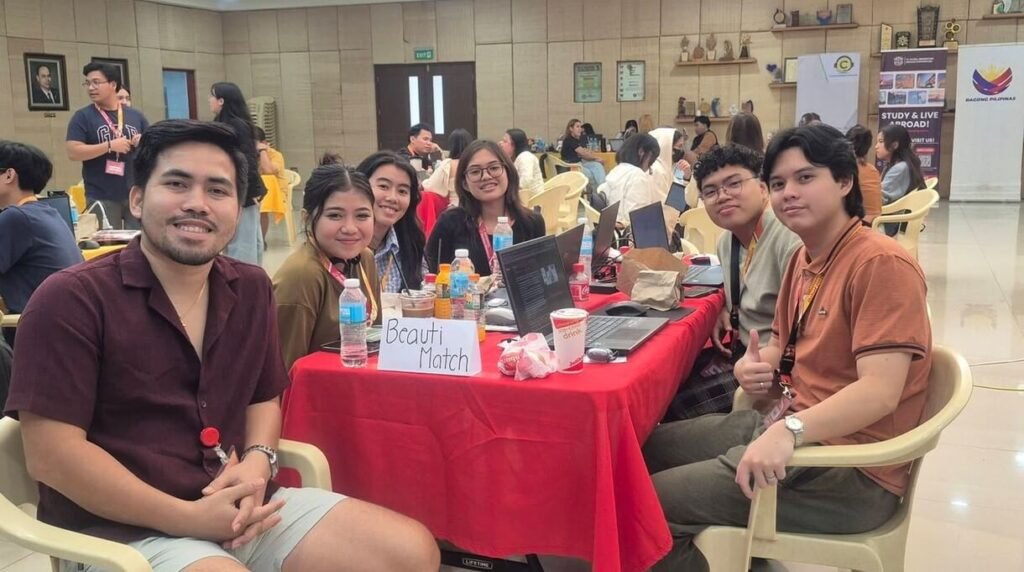
Through Startup Weekend Bohol, Joseph connected with the local technology community. After spending time developing applications at home with few people around him who could relate, those connections opened both conversations and professional opportunities.
Eventually, he returned as a mentor. During the pandemic, he also helped friends learn Flutter. Knowledge he had once struggled to acquire alone had become something he could share.
Pretext SMS would not run forever.
During the aftermath of Typhoon Odette, the super storm had disrupted the internet infrastructure supporting the service. Restoring its operation brought further difficulties. Meanwhile, wider internet access and changing messaging habits affected its future.
He eventually stopped operating it.
The application that had helped him change careers had reached the end of its chapter. But the years spent building it had left him with abilities he could carry forward.
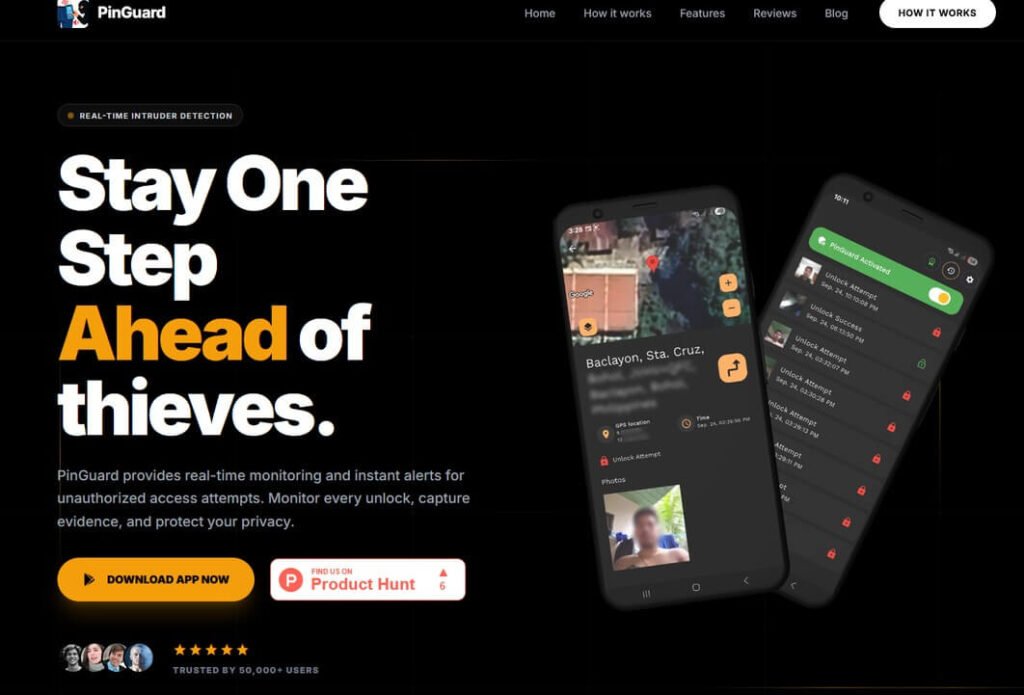
He went on to develop mobile software for overseas companies and continued creating products of his own. Among them was Pinguard, a mobile security application inspired by concerns about phone theft.
Again, Joseph had encountered a problem people experienced in their everyday lives. Again, he began working toward something useful.
His first major product had taught him how to turn questions into research, research into skills, and skills into a service people could use. That process remained available to him even after the service itself ended.
The School of Life
Joseph’s journey began with limited access, financial constraints, and doubts about his ability. It moved forward through a habit he had carried since childhood: wanting to understand how things worked.
As a father, he hopes his child will learn to create things that help other people. It is a hope grounded in his own experience of discovering that something he made could matter in someone else’s life. Joseph valued remaining in Bohol, spending time with family, and enjoying ordinary activities such as gardening. Working abroad had once seemed like the expected route toward a better future. Through technology, he had found another way to build one.
Hard work gave that curiosity somewhere to go. It became tutorials studied around bar shifts, documentation read on a phone, equipment purchased, problems researched, and products released into the hands of strangers.
The boy from Carmen could not have known how many people would one day use something he created.
He only knew there was more to learn.
And he kept learning.