



Bohol is turning to technology and citizen participation to strengthen its fight against plastic pollution.
The Provincial Government of Bohol is adopting the PlastiZen Basura Patroller, a citizen science mobile application. The tool allows residents to report plastic waste using photos and location data.
The initiative brings together the University of the Philippines Marine Science Institute (UP MSI), Bohol Island State University (BISU), and the Provincial Government of Bohol.
Through the partnership, communities can help gather useful information about plastic pollution across the province.
How the Bohol PlastiZen App Works
The Bohol PlastiZen App makes plastic waste reporting simple.
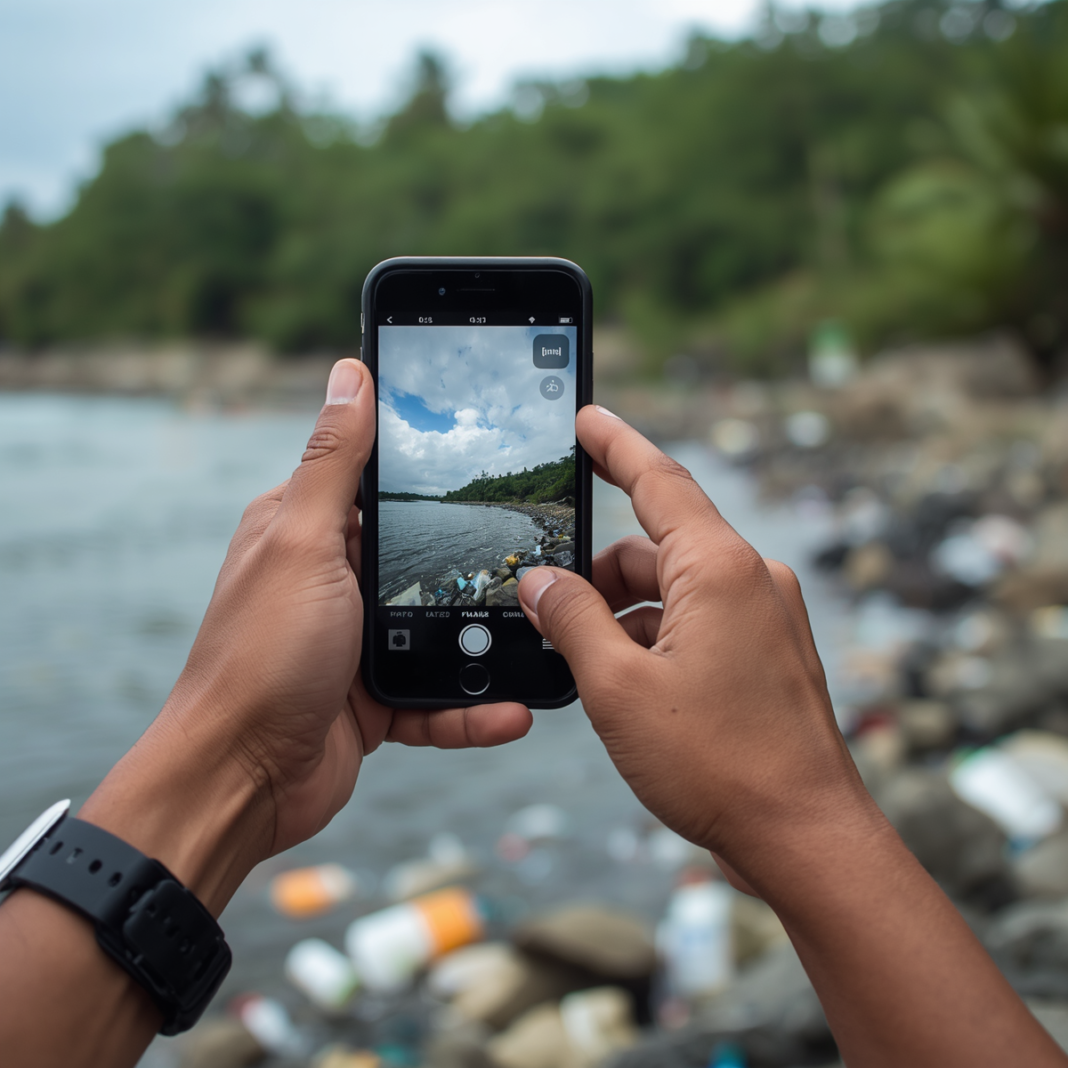
Residents can open the PlastiZen Basura Patroller app and take a photo of litter. They can then submit the image anonymously.
The app records the location of the report through geotagging. As a result, researchers and local officials can identify areas where plastic waste frequently appears.
The process involves three simple steps:
- Open the app.
- Take a photo of plastic litter.
- Submit the report anonymously.
This approach allows ordinary residents to contribute directly to environmental monitoring.
Turning Community Reports Into Useful Data
The project does more than collect photos.
Data from PlastiZen feeds into PlastiCount Pilipinas, a public database that tracks plastic pollution. The system helps organize citizen-generated reports for further monitoring and analysis.
Therefore, local officials can use the information to identify pollution hotspots and observe waste patterns.
The data can also help guide cleanup programs and environmental planning. In addition, it may support future policies on plastic waste management.
By gathering information from communities, the province can make decisions based on actual reports from different locations.
Bohol Partners With UP and BISU
The Provincial Government of Bohol formalized its partnership with UP Diliman and BISU through a memorandum of agreement signed on July 31, 2026.
Under the agreement, the Bohol Provincial Environment Management Office will support the use of PlastiZen across the province.
Meanwhile, UP will provide technical support and guidance for the application. It will also help with training, data management, and monitoring.
BISU will also take part in the collaboration.
Together, the institutions aim to connect science, technology, and community participation.
Supporting Better Environmental Decisions
Plastic waste can affect rivers, coastlines, communities, and marine ecosystems.
Because of this, knowing where pollution builds up can help local governments respond more effectively.
Geotagged reports may show which areas need more attention. Officials can then plan targeted interventions instead of relying only on general observations.
Moreover, long-term data can help track whether plastic pollution improves or worsens over time.
This makes community participation an important part of the monitoring process.
Citizens Can Take Part in Protecting Bohol
The Bohol PlastiZen App gives residents a simple way to contribute to environmental protection.
Instead of only reporting problems through traditional channels, residents can provide useful data directly through their phones.
Every valid report can add information to the province’s growing picture of plastic pollution.
As a result, residents become active partners in protecting Bohol’s communities, waterways, and coastal areas.
Technology and Community Action for a Cleaner Bohol
The adoption of PlastiZen shows how digital tools can support environmental programs.
More importantly, the initiative gives Boholanos a direct role in gathering information that can guide future action.
For our fellow Bohol Buddies, helping can start with something as simple as spotting plastic waste, taking a photo, and submitting a report.
With science, technology, and community participation working together, Bohol can take another step toward cleaner communities and healthier ecosystems.
For more community stories, visit our latest Bohol news.