


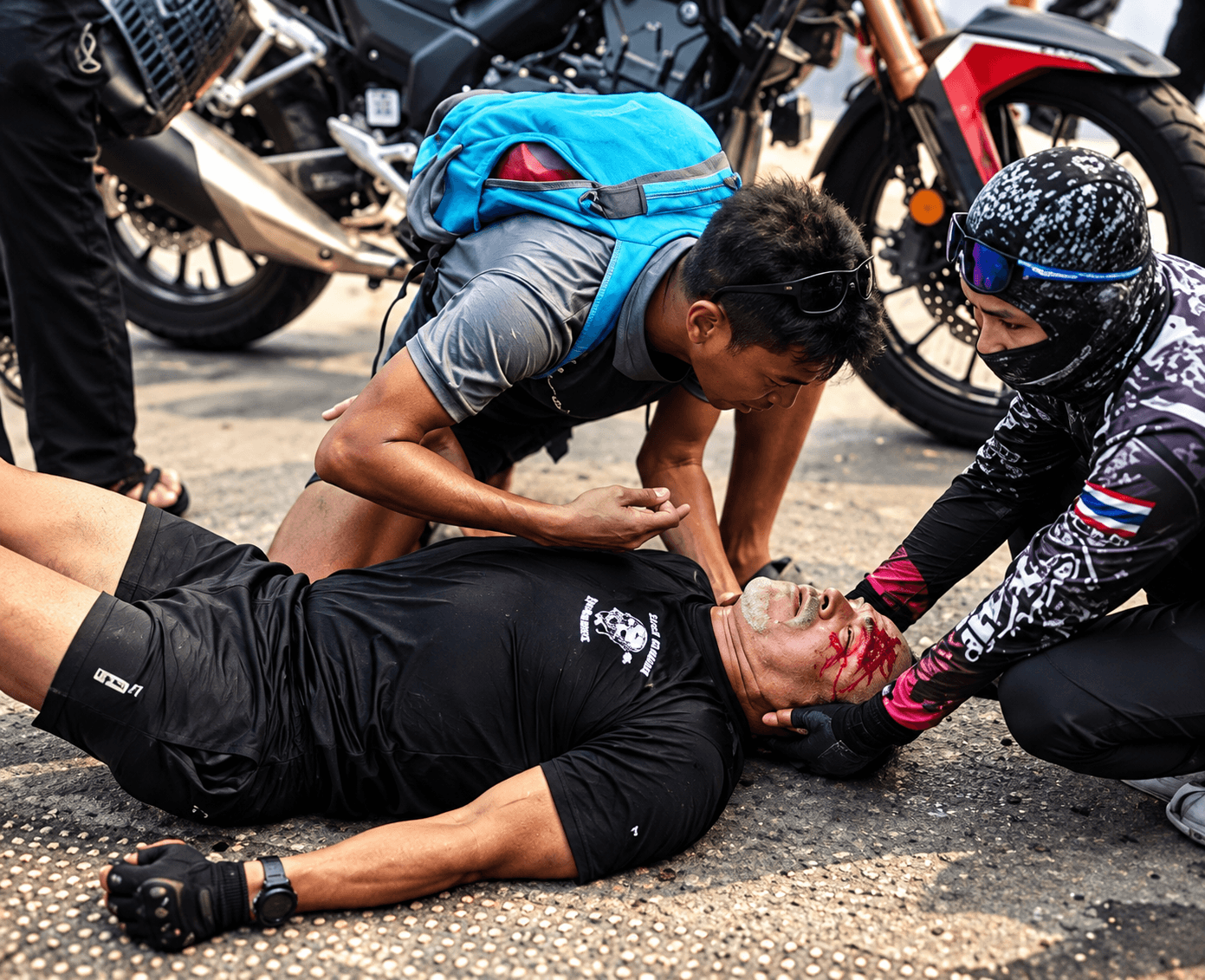
In March 2025, an ordinary day in Tagbilaran City became a moment that would change how thousands of people saw one man.
A foreign national was in distress along a city road. As people gathered, uncertain of what to do, Leonides Sollegue Jr., better known as Coach Tikloi, found himself in a situation where every decision mattered.
He was exhausted. He had barely slept for two days while conducting lifeguard training. He was on his motorcycle when he encountered the emergency.
But when he saw what was happening, his training took over.
He called for an ambulance, directed bystanders to help control the crowd, assessed the man’s condition, and provided assistance while waiting for emergency responders.
There was no camera crew waiting for him. No medal at the finish line. No expectation that millions of people would eventually see what he had done.
He was simply a man who knew how to help.
The video spread across social media, drawing national attention and earning him recognition from the Philippine Red Cross.
For many Filipinos, it was their first introduction to Coach Tikloi.
But the moment that made him known was only the latest chapter in a much longer story.
A story that began with a restless boy, a borrowed bicycle, and people who refused to let his potential go to waste.
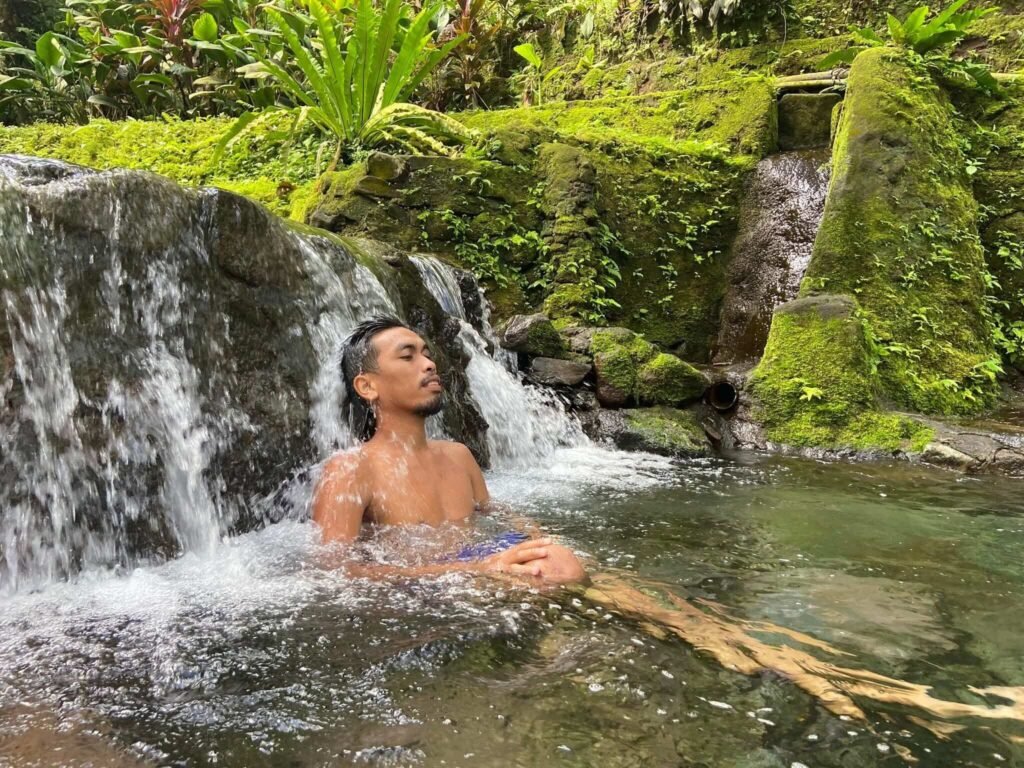
A Boy Who Had to Find His Place
Leonides Sollegue Jr. did not grow up with the advantages people might expect of a future champion.
His father was Bicolano. His mother was Cebuana. When his family moved from Cebu to Bohol, he had to adjust to a new community and a different way of life. He remembers his childhood as challenging. He was energetic, restless, and constantly moving. Even as a young child, sports seemed to offer a natural outlet for his seemingly endless energy.
His first real opportunity came in elementary school, when he discovered sepak takraw. He was in Grade 4 at San Jose when he began learning the sport that would eventually introduce him to competitive athletics.
He wasn’t immediately exceptional.
In fact, looking back at his early teammates, he readily admits that he considered himself among the least talented players.Others had better ball control. Others possessed more natural ability. What he had was the willingness to keep learning.
By Grade 5 and Grade 6, he was beginning to compete beyond the city level. The restless child who once struggled to find his place was discovering that discipline could turn raw energy into something meaningful.
And along the way, he began meeting people who would change the course of his life.
When One Dream Ends, Another Begins
For years, sepak takraw became a defining part of Tikloi’s identity.
He developed his skills, competed against formidable athletes, and earned opportunities to represent his school. But an injury eventually forced him to reconsider his athletic future.
For someone who had invested so much of himself in a single sport, the setback could have marked the end of his journey.
Instead, it opened another door.
Around the grandstand in Tagbilaran, Tikloi began noticing runners training. He watched their movements, their discipline, and the commitment they brought to every session. He started jogging.
Then he met Coach Jojo.
What began as curiosity gradually turned into a new athletic pursuit. Through Coach Jojo’s encouragement, Tikloi became involved in running and eventually multisport competitions. His first duathlon was far from glamorous. He competed using a bicycle that was hardly suited for serious racing. During the event, a flat tire forced him to run while bringing his bicycle toward the transition area.
Still, he finished among the top five.
It was an early lesson that would follow him throughout his athletic career: circumstances might limit what a person has, but they do not always determine what that person can achieve.
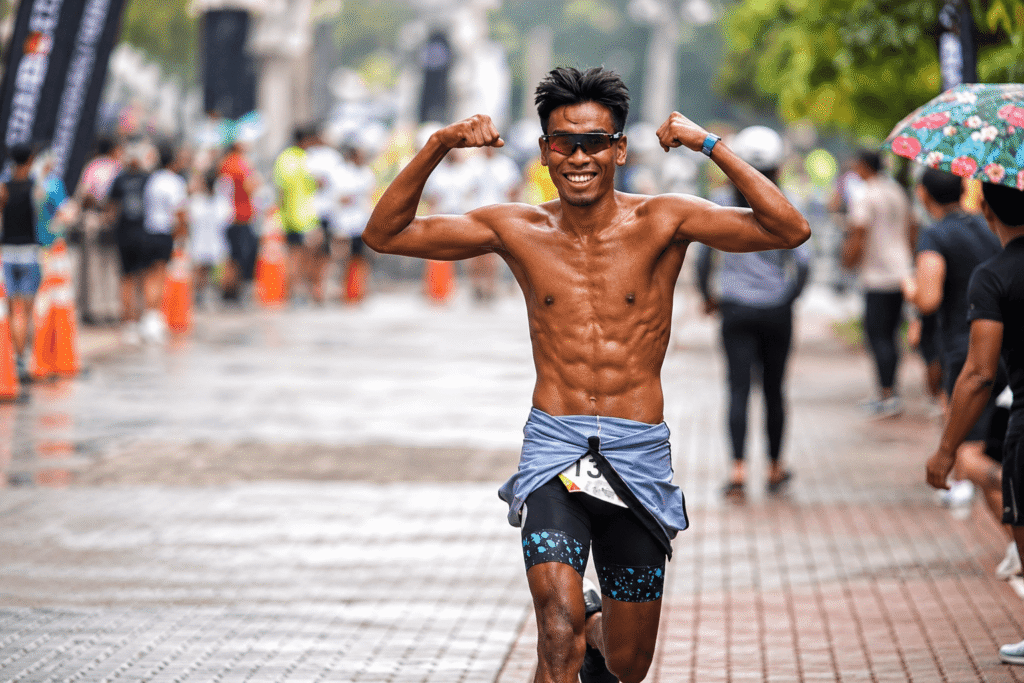
The Champion With a Borrowed Bicycle
Triathlon is not an inexpensive sport.
Between bicycles, running shoes, swimming equipment, travel, and competition fees, the financial demands alone can discourage aspiring athletes long before they reach the starting line.
Tikloi understood that reality.
When an opportunity came for him to compete in his first sprint-distance triathlon in Tubigon, he did not have all the equipment he needed. A friend, who would later become a lawyer, lent him a mountain bike. Others helped him find swimming equipment and the basic necessities to participate.
He entered a road-bike competition riding a mountain bike. His equipment was modest, but his determination was not.
During the race, he again encountered a flat tire. Yet when he reached the running portion, he found himself back in familiar territory.
Running was his strength. He pushed forward, caught up with his competitors, and crossed the finish line as champion. His very first triathlon became his first triathlon victory.
But for Tikloi, the achievement belonged to more than one person.
It belonged to the people who lent him equipment, the mentors who encouraged him, and the supporters who gave him opportunities before he had the resources to pursue them independently.
That understanding would eventually become the foundation of his approach to coaching.
The Mentor Who Changed Everything
Among the many people who shaped Tikloi’s life, Coach Manuel of Loon occupies a particularly meaningful place.
Coach Manuel helped introduce him to swimming and gave him opportunities to learn and develop his skills. As Tikloi progressed, their relationship grew beyond that of athlete and instructor.
When Coach Manuel’s health deteriorated and he could no longer physically demonstrate techniques in the swimming pool, Tikloi became his hands in the water. The older coach would give verbal instructions, and the younger athlete would demonstrate them to students. Through those sessions, Tikloi discovered something beyond his own ability to compete.
He could teach.
He could help another person learn.
He could become the kind of mentor who had once believed in him.
Coach Manuel also helped him earn income through swimming instruction during his college years. Those opportunities helped sustain Tikloi while he balanced his education, work, and athletic responsibilities.
The relationship left a lasting impression.
When Coach Manuel passed away, Tikloi was attending a school recollection. He struggled with the loss and found it difficult to visit his mentor’s grave. It took him about a year to finally stand before it.
The grief was personal, but so was the gratitude. He had lost someone who had helped him become more than an athlete.
Coach Manuel had helped him find a purpose.
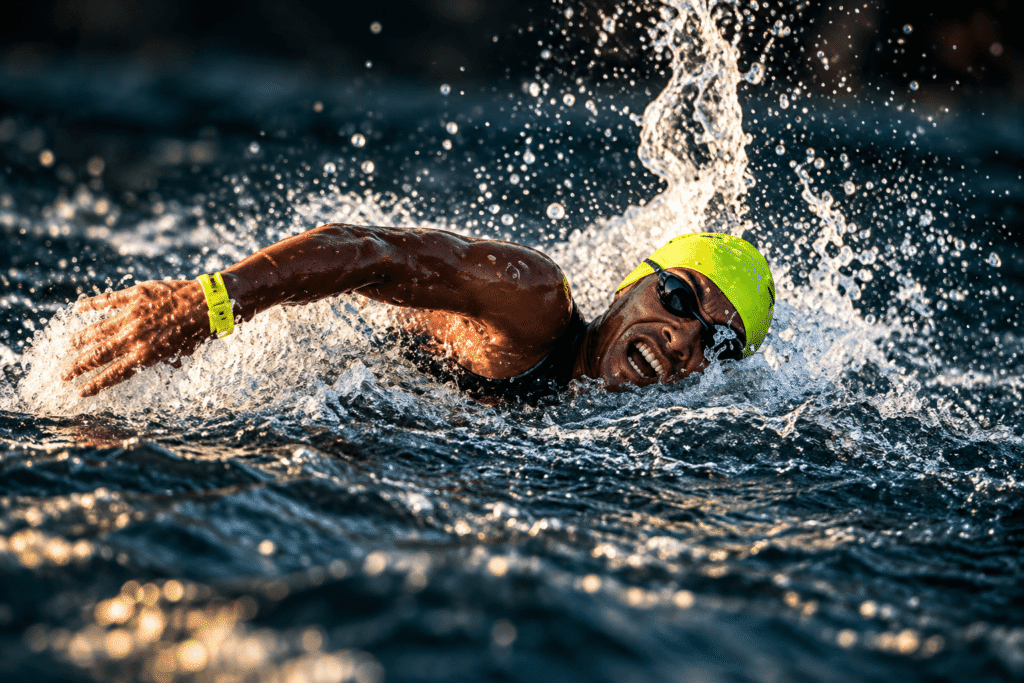
Becoming the Person He Once Needed
Tikloi eventually completed his studies in marine engineering while continuing to pursue sports. His athletic journey brought him into different competitive teams, including those supported by local businesses and organizations that recognized his potential.
He continued racing, won championships, and competed alongside accomplished athletes. But as his experience grew, so did his understanding of what sports could offer beyond medals and trophies.
He began coaching younger athletes.
His approach was shaped by his own childhood. He did not necessarily look for the strongest runner, the fastest swimmer, or the child who already showed the most talent.
He looked for potential. More importantly, he looked for dedication.
“You can teach power. You can develop power. But you cannot input dedication. Dapat gikan na niya,” he explains.
For Tikloi, dedication must come from within the athlete. Everything else can be developed through training, patience, and guidance.
He has helped nurture young talents in running, swimming, cycling, and triathlon, including athletes who have gone on to achieve success in their respective competitions.
Some of his coaching has been offered without payment. Because he knows what it feels like to need guidance and not have the money to afford it. He also knows how much difference one person can make by offering help at the right time.
The coaches who once gave him opportunities were now part of the legacy he was passing on.
From Winning Races to Saving Lives
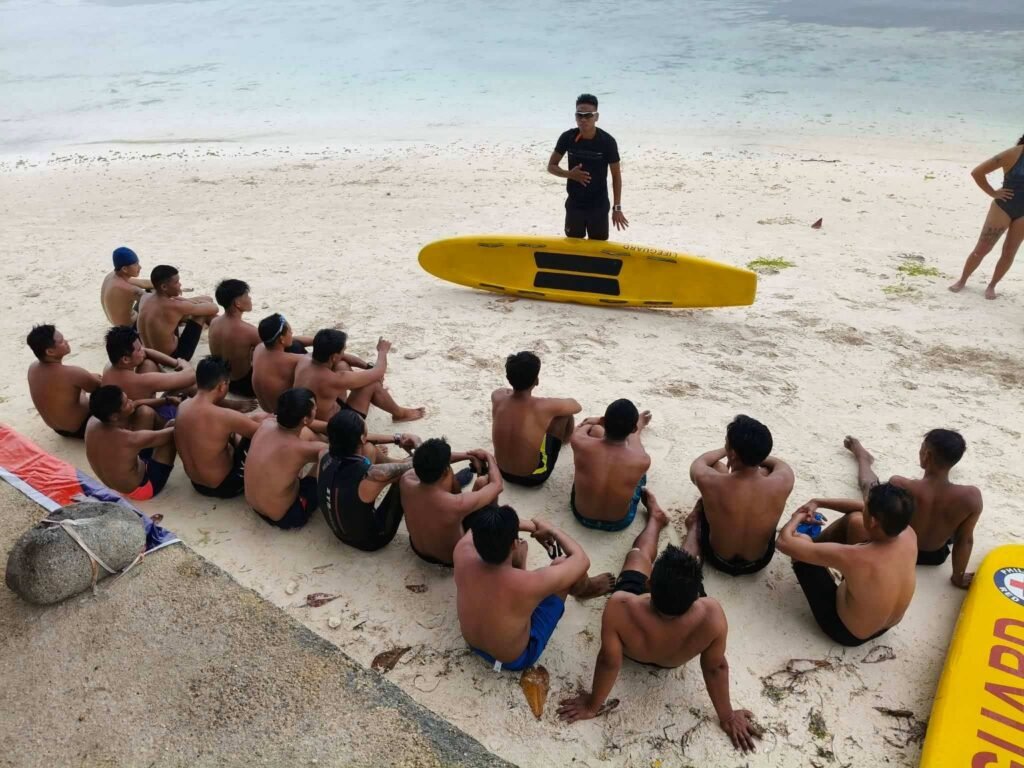
Tikloi’s journey into lifesaving did not begin with the viral rescue. It developed gradually from his experience as an athlete and his growing interest in safety.
As a coach, he had long emphasized the importance of proper equipment, precautions, and preparedness.
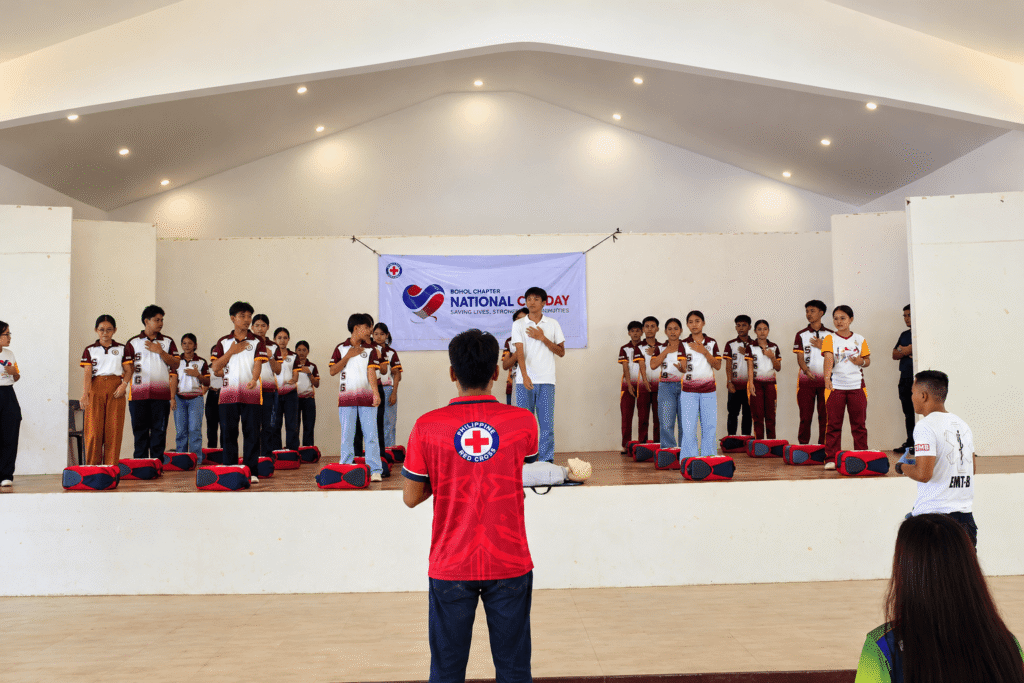
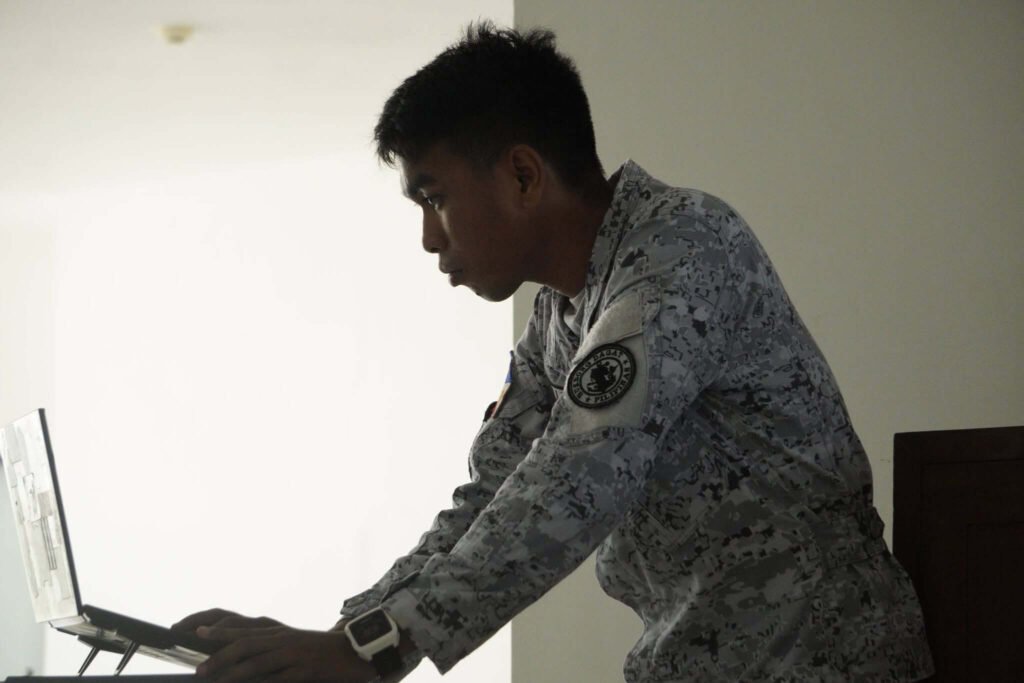
That interest eventually led him to the Philippine Red Cross, where he became involved in humanitarian work and later underwent training in first aid and lifeguarding instruction. He continued expanding his knowledge through emergency medical technician training and additional healthcare-related education. His work also extended to water safety, emergency response, and training activities associated with the Philippine Navy Reserve.
Over time, the athlete who once needed someone to teach him how to swim became an instructor helping others learn how to save lives.
One of the efforts he recalls most proudly was a three-month CPR education campaign that reached approximately 11,000 Boholanos through collaborations with schools, private institutions, and disaster-response organizations.
For Tikloi, this work was not simply about producing more certified responders. It was about creating communities where ordinary people would know how to act when emergencies happened.
Because a life-threatening situation rarely announces itself in advance. And help is not always immediately available.
The Moment Everything Came Together
That belief was tested on a road in Tagbilaran in March 2025. He wasn’t supposed to be there but destiny found its way.
Tikloi had been conducting lifeguard training and was physically exhausted when he came upon the emergency involving a foreign national.
He immediately recognized the need for organized assistance.
While others gathered around the injured man, Tikloi began coordinating the response.
He asked for an ambulance, directed people to manage the scene, and assessed the patient’s condition.
The situation was difficult, made more complicated by the fact that he did not have all the protective equipment ordinarily used in emergency response.
But he continued assisting the man until an ambulance arrived.
The patient survived.
For the public, the video became a remarkable display of courage and composure under pressure.
For Tikloi, it was the practical application of skills he had spent years developing.
It was also a reminder of something he had repeatedly tried to teach others: preparation matters.
The incident earned him widespread recognition.
But beneath the praise was a quieter truth.
The man who helped save a stranger’s life had himself been shaped by years of people helping him.
Every borrowed piece of equipment, every encouraging coach, every opportunity to study, and every lesson in safety had contributed to that moment.
What the public saw in minutes had taken years to build.
A Hero’s Responsibility Does Not End With Recognition
National attention could have been the culmination of Tikloi’s story.
Instead, he continues to place importance on teaching, preparedness, and the development of future athletes. He sees opportunities for Bohol to become stronger in both sports development and emergency response.
The province has natural advantages for multisport training, from its roads and open-water environments to its growing community of athletes. But developing that potential requires more than facilities. It requires dedicated mentors, accessible training, and people willing to invest their time in others.
The same is true for lifesaving education.
Tikloi believes that more people should understand first aid and CPR, and that those entrusted with emergency response should be properly trained. He also advocates for road safety, including the consistent use of protective helmets. These are not the kinds of achievements that always attract public applause.
Yet they represent the work he hopes will continue making a difference long after the viral video is forgotten.
The True Meaning of Giving Back
Ask Tikloi what helping others has taught him, and his answer returns to the people who supported him when he had little.
“I’ve been helped before.”
Those words explain much of what has guided his life. He knows what it means to receive an opportunity without having anything to offer in return. He knows what it means for a coach to recognize potential that others might overlook. And he knows how a single act of generosity can influence the direction of someone’s future.
Today, he tries to extend that same generosity to others.
His message is simple: when someone helps you succeed, do not waste what they have given you. And when you are finally in a position to help someone else, do so.
He offers another lesson that captures the philosophy behind his journey: “You can keep the results of your success private, but never the inspiration.”
It is a philosophy that connects the different chapters of his life.
The boy who struggled to adjust to a new home.
The athlete who competed with borrowed equipment.
The student who relied on scholarships and coaching opportunities.
The young man who lost a mentor.
The champion who became a teacher.
And the lifesaver who stepped forward when a stranger needed help.
All are part of the same story.
A Legacy Still Being Written
For now, Tikloi does not claim to have accomplished everything he was meant to do. He believes his purpose is still unfolding.
Perhaps that is what makes his journey particularly meaningful. Because the story of Leonides Sollegue Jr. is not about a man who was born a hero. It is about someone who was given opportunities, endured setbacks, learned from mentors, and slowly developed the ability to make a difference in other people’s lives.
And when the moment finally came for him to act, he was ready.
Bohol came to know him through a video of a man helping save another man’s life. But the more enduring story is found in everything that happened before that moment—and in the people whose lives he continues to influence afterward.
Some heroes are remembered for a single extraordinary act. Others leave something more lasting: the skills they teach, the opportunities they create, and the people they inspire to help someone else.
For Coach Tikloi, the greatest legacy may not be the life he helped save on that road in Tagbilaran.
It may be the many lives that will one day be saved because someone learned from him.
And perhaps, somewhere in Bohol, another young person with more determination than resources is already beginning a journey much like his own.
All that person needs is someone willing to believe in them.
Just as someone once believed in Tikloi.